




ER4
Robotic Systems
Technology Branch
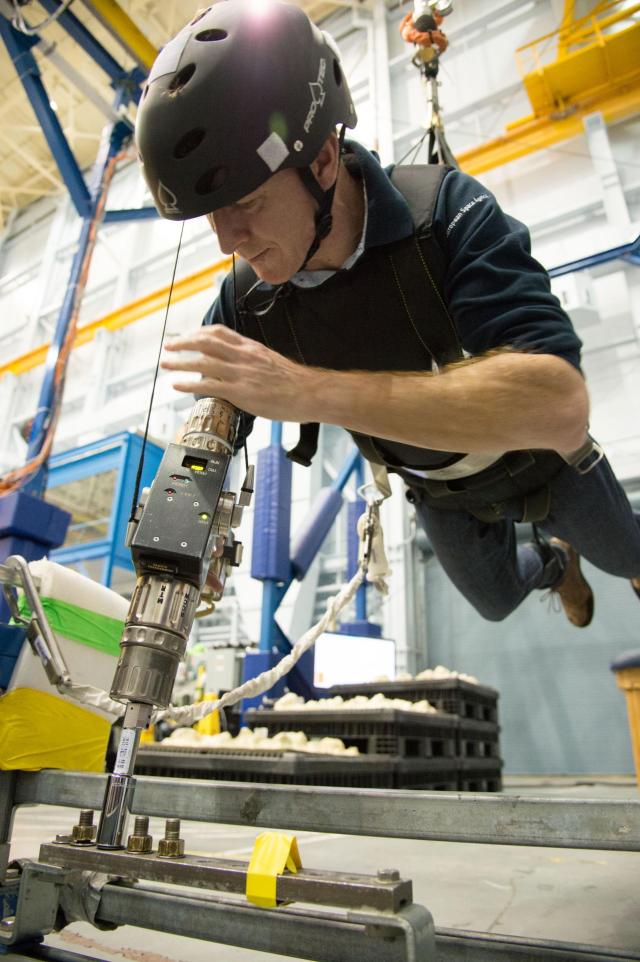
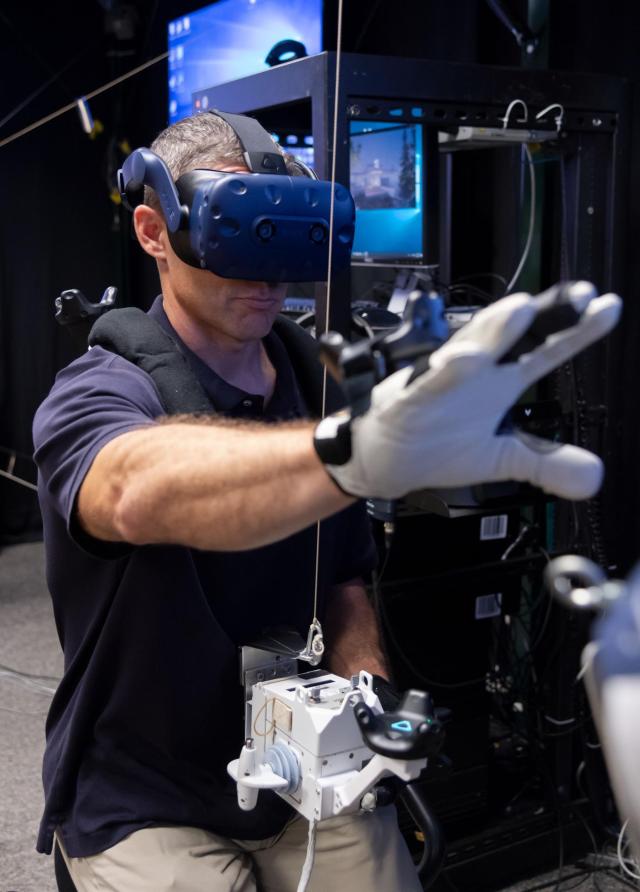
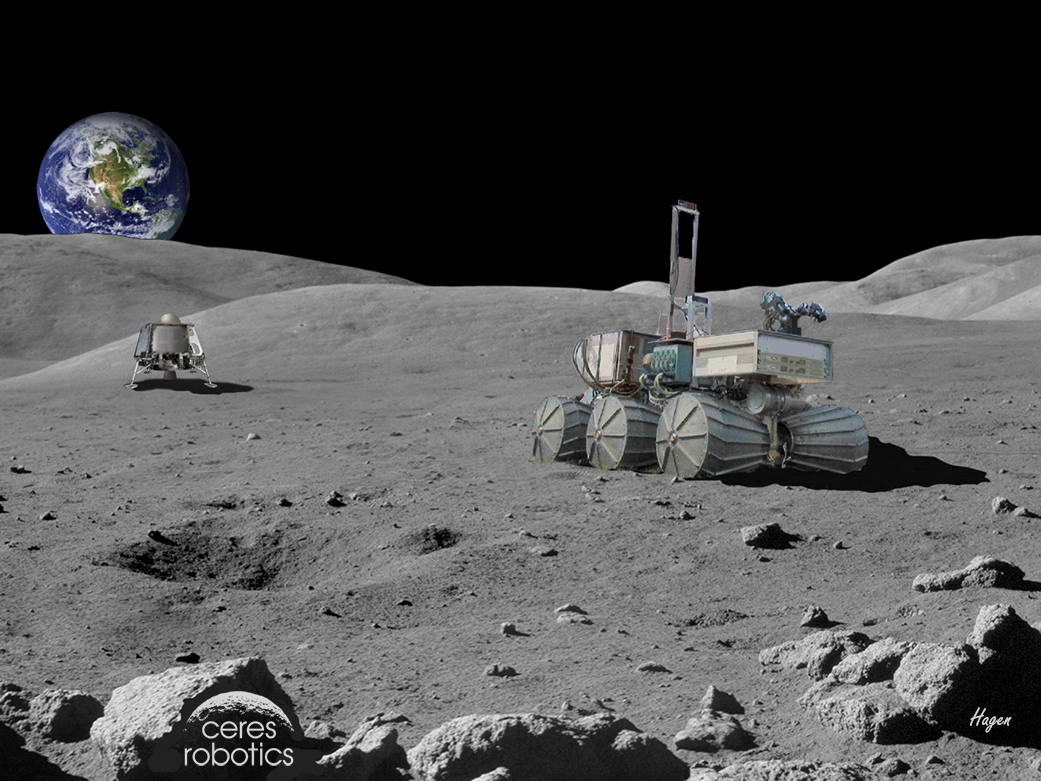
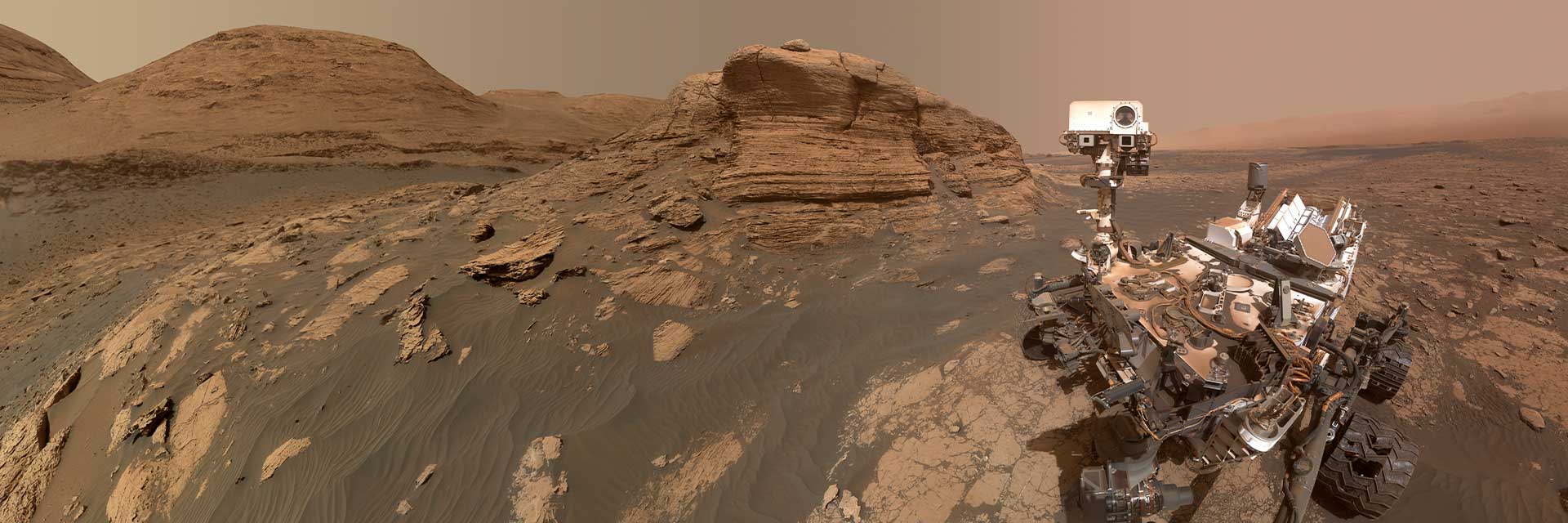
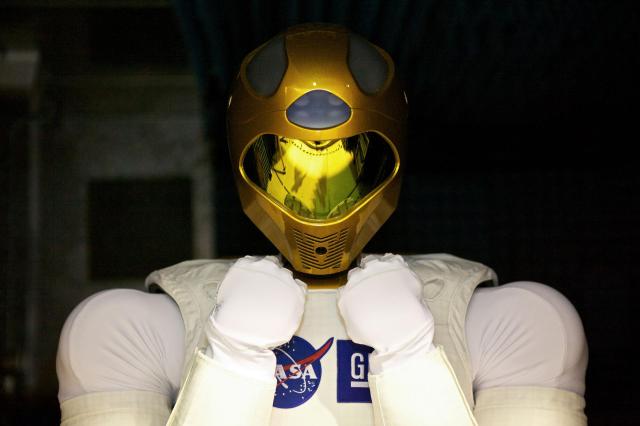
The Robotic Systems Technology Branch is responsible for the research, engineering, development, integration, and application of robotic hardware and software technologies for specific flight and ground robotic system applications in support of human spaceflight. Advanced robotic systems technology efforts include both remotely controlled and autonomous robots for space and terrestrial application, as well as intelligent robotics for high value functionality. The development of highly dexterous robots, such as R2, places the branch at the forefront of U.S. humanoid robotics while our planetary robotic Rovers are breaking new ground (literally and figuratively) in techniques for exploration and settlement of extraterrestrial bodies.


Robonaut Project
A Robonaut is a dexterous humanoid robot built and designed at NASA Johnson Space Center in Houston, Texas. Our challenge is to build machines that can help humans work and explore in space. Working side by side with humans, or going where the risks are too great for people, Robonauts will expand our ability for construction and discovery. Central to that effort is a capability we call dexterous manipulation, embodied by an ability to use one's hand to do work, and our challenge has been to build machines with dexterity that exceeds that of a suited astronaut.
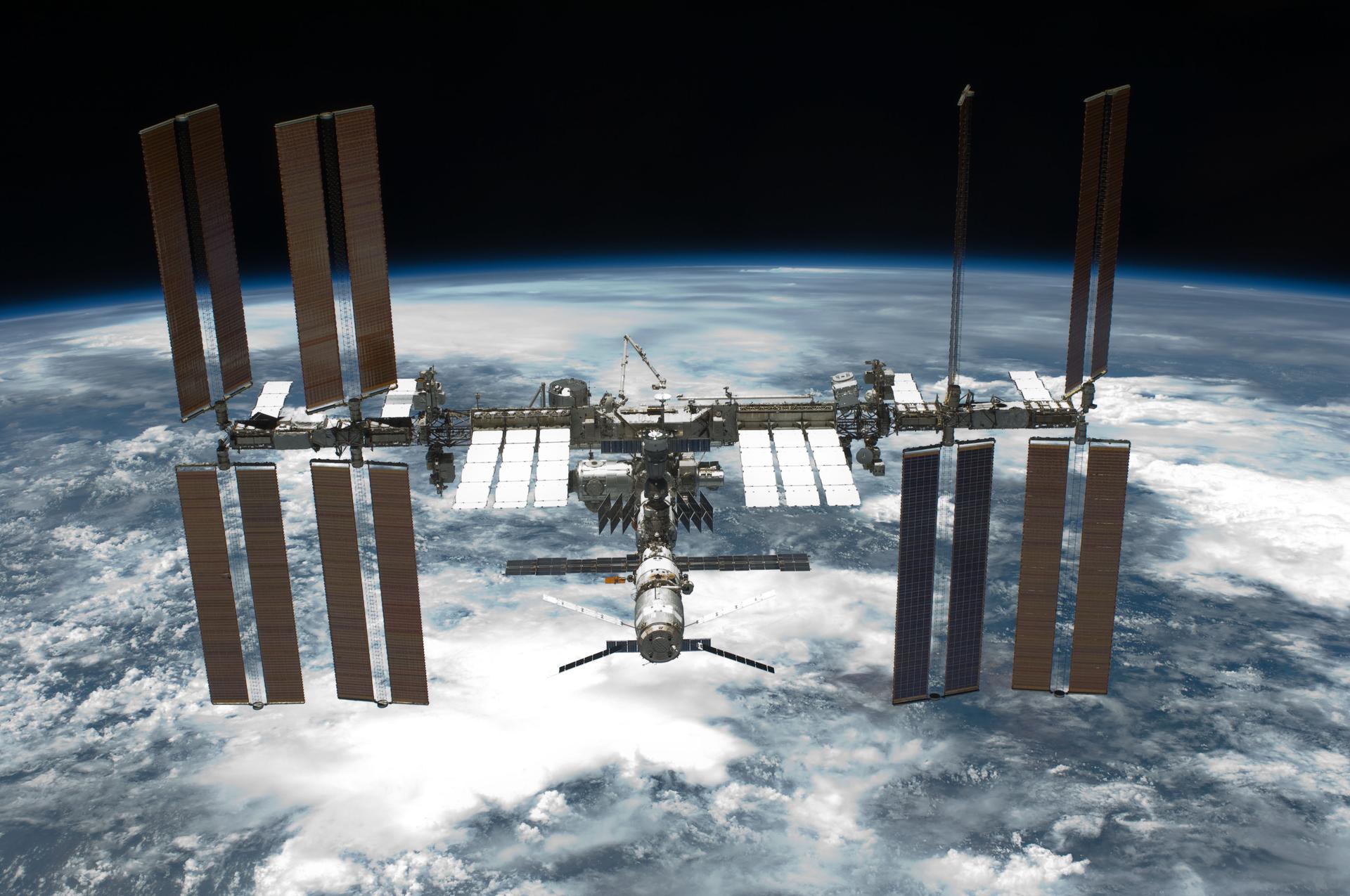
Robonaut 2 or R2, launched to the International Space Station on space shuttle Discovery as part of the STS-133 mission, it is the first dexterous humanoid robot in space, and the first US-built robot at the space station. But that was just one small step for a robot and one giant leap for robot-kind.
Find out more at the Robonaut Project Website
Space Exploration Vehicle
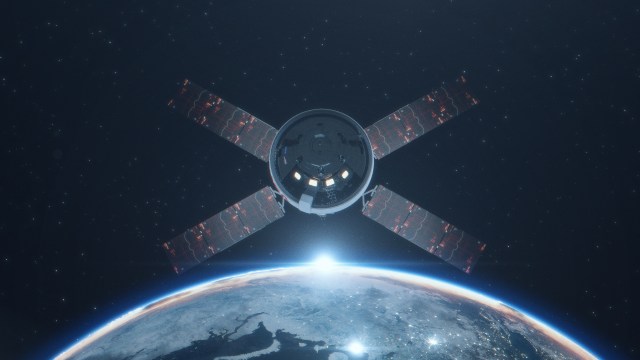
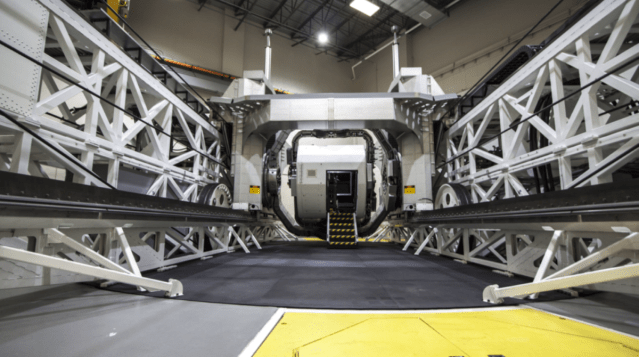
NASA plans to conduct human space exploration missions to a variety of destinations. To maximize the number of destinations NASA explores, space exploration systems must be flexible and NASA must minimizae the number of systems developed. One system concept NASA is analyzing is the SEV. The SEV would use the same cabin for in-space missions (i.e., satellite servicing, telescope assembly and exploration of near-Earth objects) as well as surface exporation for planetary bodies (i.e., the moon and Mars). The in-space version of SEV would have the pressurized cabin on a flying platform and allow astronauts to stay on-site for up to 14 days. It would provide robotic manipulators to grasp objects for observation and allow astronauts easy access to space via the suitports, to maximize their productivity performing tasks in space outside of the cabin.
For both the surface and in-space versions of the SEV, astronauts can work in shirtsleeves in the safety of the vehicle's cabin, and when they need to, or want to for exploration missions, they can quickly enter and exit their spacesuits through suitports. These protected suitports keep the astronauts' suits outside, allowing a spacewalk to start in ten minutes. The surface SEV allows the cabin to be removed, so that the chassis can be used to carry payloads or driven by astronauts in spacesuits. The in-space SEV also includes manipulator arms and an airlock, for handling satellites and other objects of interest.
Centaur 2
NASA JSC has developed a series of Centaur rovers to carry the Robonaut upper bodies and other payloads. Centaur 2 rover was developed in 2010 by the Human Robotics Systems (HRS) Project as part of the Exploration Technology Development and Demonstration Programs, and has now been integrated with the Robonaut R2A torso. This combination mixes state-of-the-art robotic mobility with the world’s most advanced dexterous manipulation system. Hybrid rover/arm systems, commonly referred to as mobile manipulation, represent a new domain of robotics research. Mobile manipulation is an important new Space Technology with multiple applications for improving life here on Earth. NASA’s new Centaur2/Robonaut2 system is an ideal testbed for this research and positions the agency as the technological leader.
Centaur 2 recently completed its second D-RATS field test in September 2011 with an integrated Robonaut 2. It previously went for a “shake out cruise” at the Desert-RATS 2010 field test in August 2010. Fitted with a digging implement developed by the HRS engineers working at GRC, Centaur 2 was shown to be a rugged and agile new rover. The Robonaut 2 torso has now been integrated as a new payload, and integrated with the electrical and data systems of the Centaur 2 rover. Combined, this new mobile manipulation system was integrated in time to support KSC launch activities of the Robonaut unit R2B on STS -133. Future lower bodies for the Robonaut 2 series include zero gravity climbing legs for performing EVA tasks on the ISS. Future payloads for Centaur 2 include prospecting sensors, deeper excavation implements, symbiotic exploration systems, and devices for converting planetary raw materials into useable products.
X1 - Exoskeleton
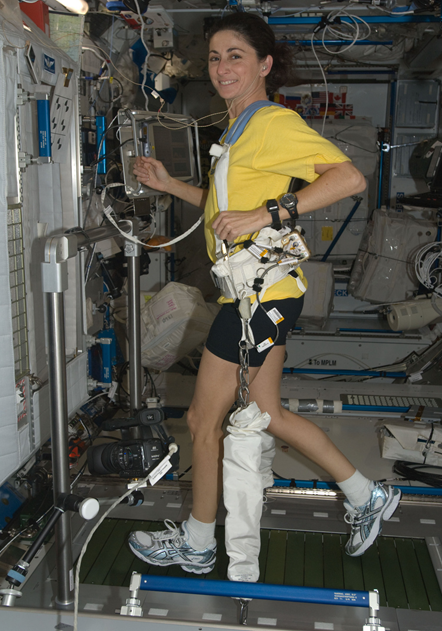
X1 is a ten degree of freedom robotic exoskeleton designed and built as a collaboration between the NASA Johnson Space Center and the Florida Institute for Human and Machine Cognition (IHMC). Developed using Robonaut technology, X1 was initially designed as a human assist device to allow persons with paraplegia to walk again. Strategically designed motors allow for high torque applications such as stair climbing, while multiple points of adjustment allow for a wide range of users. We are now exploring space applications for exoskeletons, such as amplifying astronaut strength, or even as exercise devices for long duration missions.
Worn over the legs with a harness that reaches up the back and around the shoulders, X1 has 10 degrees of freedom, four joints at the hips and the knees, and six joints that allow for sidestepping, turning and pointing and flexing the foot.
Like other exoskeletons on the market, the potential of X1 extends to other applications such as rehabilitation, gait modification and offloading large amounts of weight from the wearer. Preliminary studies by IHMC have shown the X1 to be more comfortable and easier to adjust and put on than their previous exoskeletons. And with development plans already in the works to add more active joints to areas such as the ankle and hip, the possibilities are endless.